
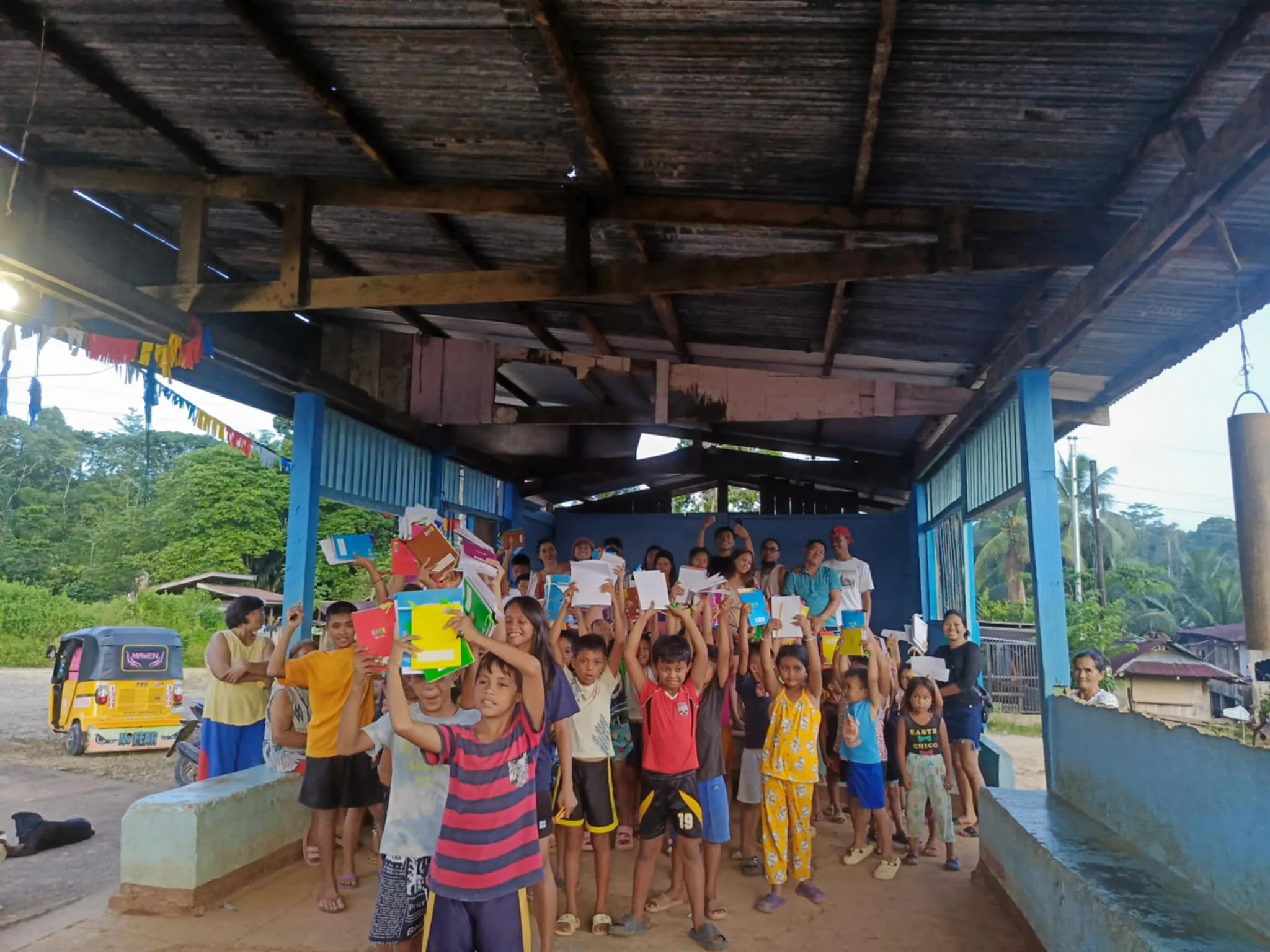
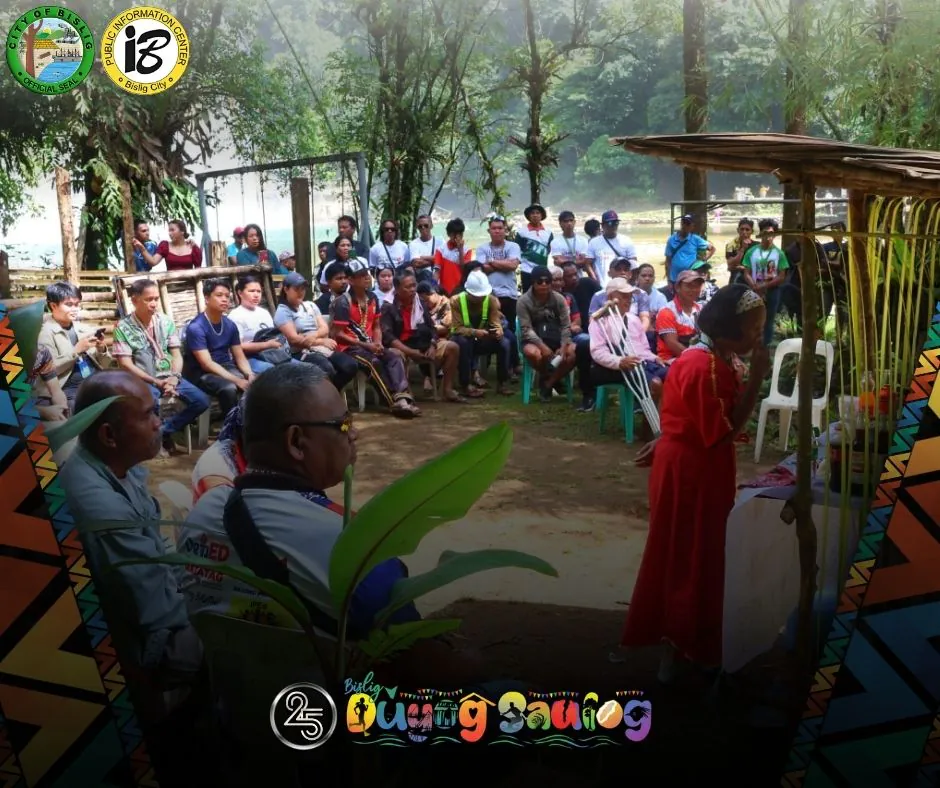
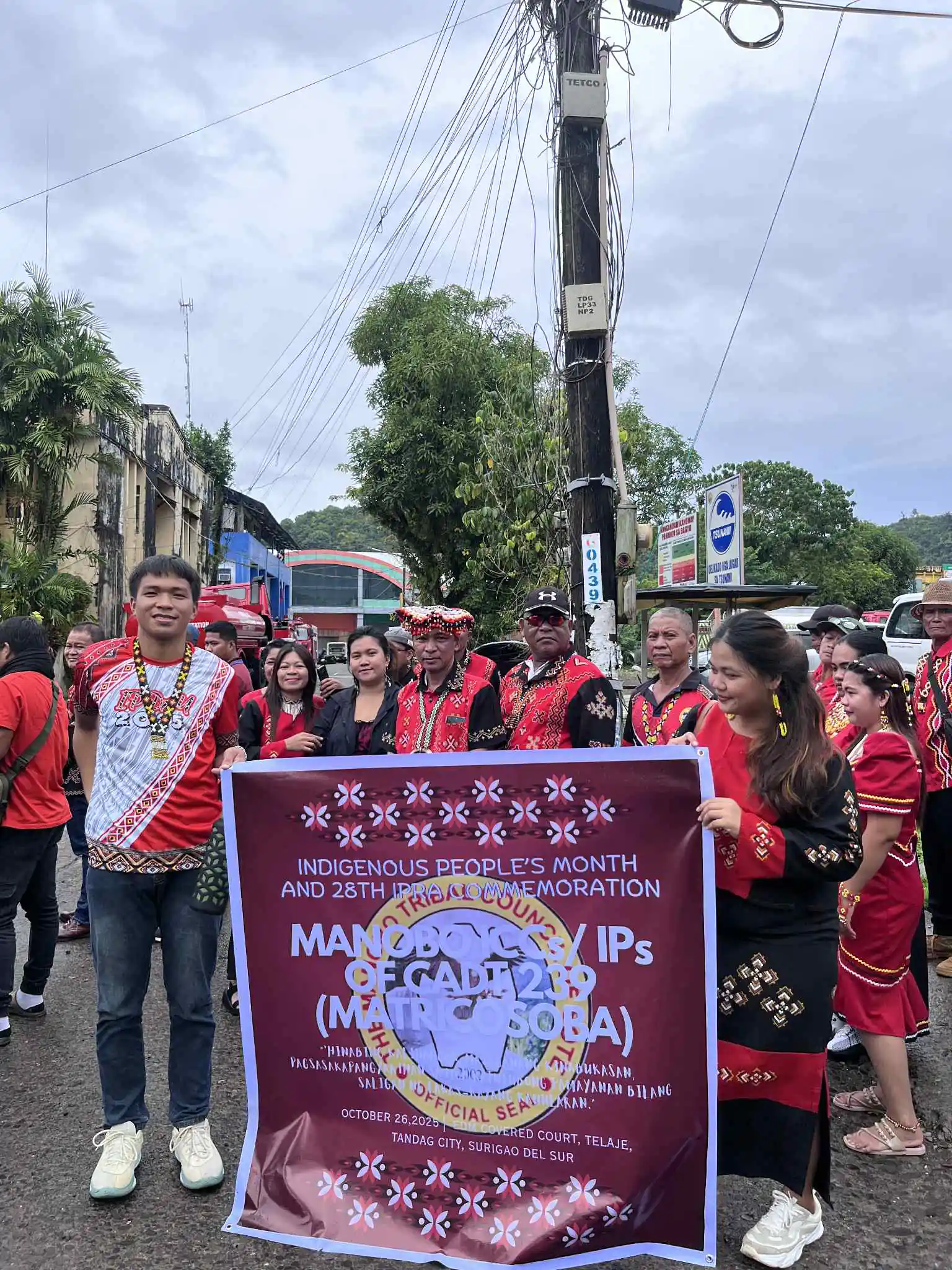
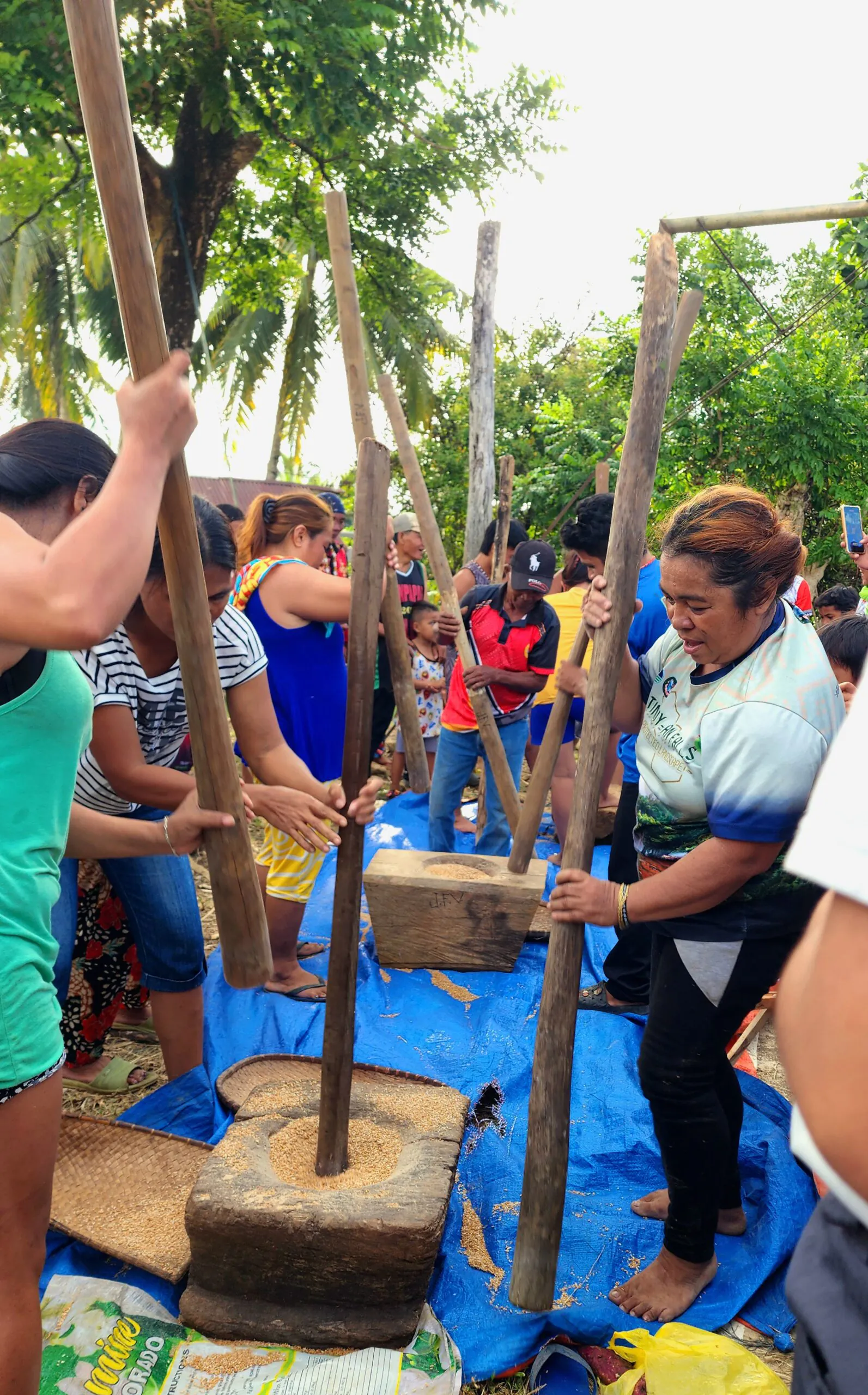
The Certificate of Ancestral Domain Title 239 (CADT 239), also known as Pangasananan, the ICCA registered name of CADT 239, is home to Domogoy Clan of Manobo Tribe. Its Indigenous Political Structure governs the Manobo IP Group of CADT 239 and its ancestral domain, along with its IP communities in Sitio Baguis, Barangay Mone and Sitio Sote and Sitio Bayabas, Barangay Burboanan, Bislig City, Surigao del Sur, Philippines. Alongside CADT 239 IPS is the Manobo Tribal Council of Sote (MATRICOSO), the Indigenous Peoples Organization (IPO) and the economic arm of the Indigenous Political Structure of CADT 239. CADT 239, its IPS and IPO, are recognized by the National Commission on Indigenous Peoples (NCIP) and the Local Government Unit (LGU) of Bislig. Despite modernization challenges, the Manobo tribespeople actively work to protect their rights, land, and culture, engaging in efforts to preserve indigenous heritage and environmental conservation, specifically through legislative, governmental, and social efforts of MATRICOSOBA. In a fast-paced society during ever-changing times, MATRICOSOBA and the Manobo tribespeople continue to thrive in preserving the past, protecting the present, and preparing for the future.
A huge amount of land is owned or governed by either Indigenous peoples or local communities, which the consortium defines as groups whose cultures and livelihoods are deeply embedded in the land. Estimates vary, but according to the consortium, that number is at least 32 percent globally. The majority of those areas are conserved and in “good ecological condition,” according to an analysis by the consortium and the UN’s World Conservation Monitoring Centre. To Indigenous peoples and their allies, this finding is intuitive. “We see ourselves as part of [nature] because it’s life-sustaining,” Aaron Payment, chairperson of the Sault Tribe of Chippewa Indians in Michigan, told Vox. “Our very lives depend on living in ecological balance with our natural resources.”
The Manobo’s Pangasananan is 63 per cent forested, composed of old-growth and secondary forests
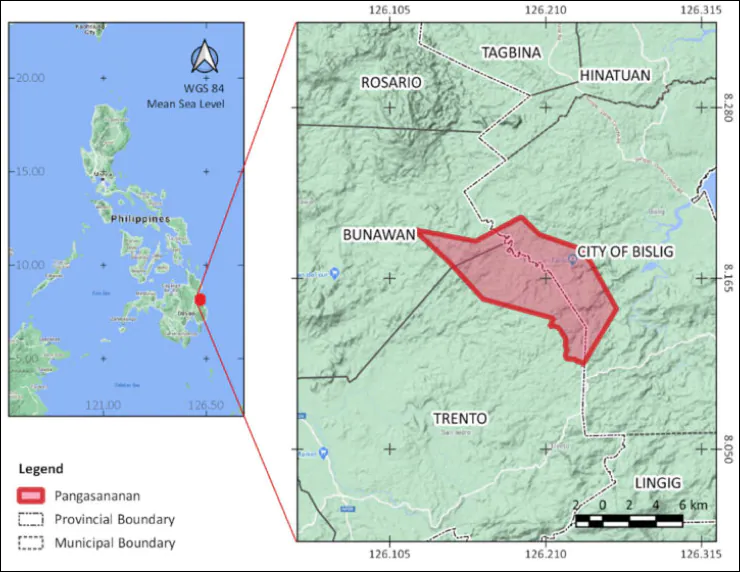
The Certificate of Ancestral Domain Title 239 (CADT 239), also known as Pangasananan, the ICCA registered name of CADT 239, is home to Domogoy Clan of Manobo Tribe. Its Indigenous Political Structure governs the Manobo IP Group of CADT 239 and its ancestral domain, along with its IP communities in Sitio Baguis, Barangay Mone and Sitio Sote and Sitio Bayabas, Barangay Burboanan, Bislig City, Surigao del Sur, Philippines. Alongside CADT 239 IPS is the Manobo Tribal Council of Sote (MATRICOSO), the Indigenous Peoples Organization (IPO) and the economic arm of the Indigenous Political Structure of CADT 239. CADT 239, its IPS and IPO, are recognized by the National Commission on Indigenous Peoples (NCIP) and the Local Government Unit (LGU) of Bislig. Despite modernization challenges, the Manobo tribespeople actively work to protect their rights, land, and culture, engaging in efforts to preserve indigenous heritage and environmental conservation, specifically through legislative, governmental, and social efforts of MATRICOSOBA. In a fast-paced society during ever-changing times, MATRICOSOBA and the Manobo tribespeople continue to thrive in preserving the past, protecting the present, and preparing for the future.
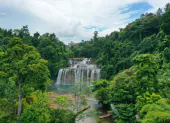
The Tinuy-an falls are 95 m wide and 55 metres (180 ft) high, touted as the little Niagara Falls of the Philippines. Tinuy-an is a white water curtain that flows in three levels (with a fourth tier hidden from view) and is said to be the widest waterfall in the Philippines.
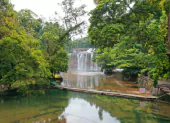
The Tinuy-an falls are 95 m wide and 55 metres (180 ft) high, touted as the little Niagara Falls of the Philippines. Tinuy-an is a white water curtain that flows in three levels (with a fourth tier hidden from view) and is said to be the widest waterfall in the Philippines.

The Tinuy-an falls are 95 m wide and 55 metres (180 ft) high, touted as the little Niagara Falls of the Philippines. Tinuy-an is a white water curtain that flows in three levels (with a fourth tier hidden from view) and is said to be the widest waterfall in the Philippines.

The Tinuy-an falls are 95 m wide and 55 metres (180 ft) high, touted as the little Niagara Falls of the Philippines. Tinuy-an is a white water curtain that flows in three levels (with a fourth tier hidden from view) and is said to be the widest waterfall in the Philippines.
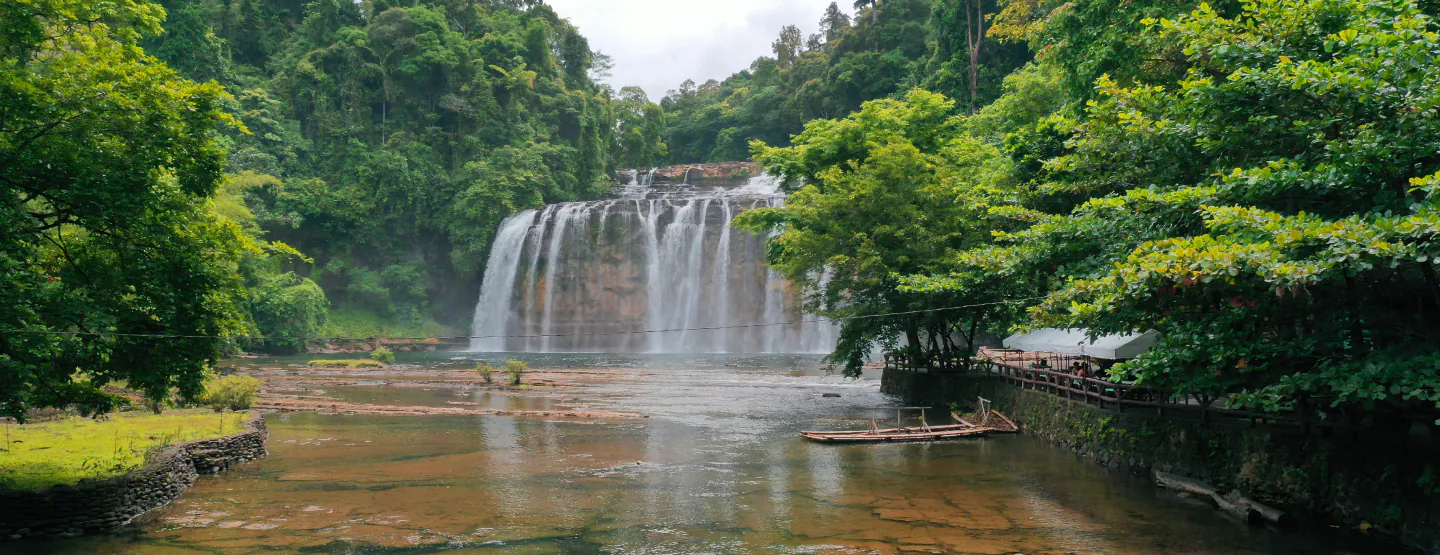
The Tinuy-an falls are 95 m wide and 55 metres (180 ft) high, touted as the little Niagara Falls of the Philippines. Tinuy-an is a white water curtain that flows in three levels (with a fourth tier hidden from view) and is said to be the widest waterfall in the Philippines.